💡 Educational Key Takeaways:
- Core Skill: Structured Toolkit focused on developing pencil grip, stroke control, and early literacy/math confidence.
- Target Scope: Suited for homeschoolers, preschool, kindergarten, and elementary learners.
- Best Recommendation: Practice 10–15 minutes daily with ergonomic writing tools to reinforce muscle memory without hand fatigue.

Online Safety Toolkit for Kids (Worksheets, Coloring & Activities)
Helping Kids Stay Safe Online Through Fun Learning
The internet is part of everyday life for children—whether for school, games, or connecting with friends. Teaching kids how to stay safe online is more important than ever.
This Online Safety Toolkit for Kids is designed to help parents, teachers, and caregivers introduce digital safety in a way that is simple, engaging, and age-appropriate.
Instead of long lectures, kids learn best through activities, worksheets, and creative play. That’s why this toolkit combines education with fun.
What’s Inside This Toolkit?
This page brings together a collection of resources to help children understand online safety step by step.
🛡️ Digital Safety Basics
Start with simple guides that explain key concepts:
- What is internet safety?
- Why privacy matters
- How to recognize online risks
👉 Explore: Digital Safety for Kids
📄 Printable Worksheets
Interactive worksheets help kids remember what they learn.
Popular topics include:
- Internet safety rules
- Safe vs unsafe online behavior
- Cyberbullying awareness
- Password safety basics
👉 Browse: Internet Safety Worksheets
🎨 Coloring Pages
Creative activities make learning more enjoyable.
Kids can color while learning:
- Safe internet habits
- Talking to trusted adults
- Being kind online
👉 See: Online Safety Coloring Pages
✏️ Tracing & Early Learning Activities
For younger children, tracing and simple exercises help introduce safety concepts.
- Safety words tracing (safe, stop, tell)
- Basic rules through repetition
- Visual learning activities
👉 Try: Tracing Worksheets for Kids
Why Teaching Online Safety Matters
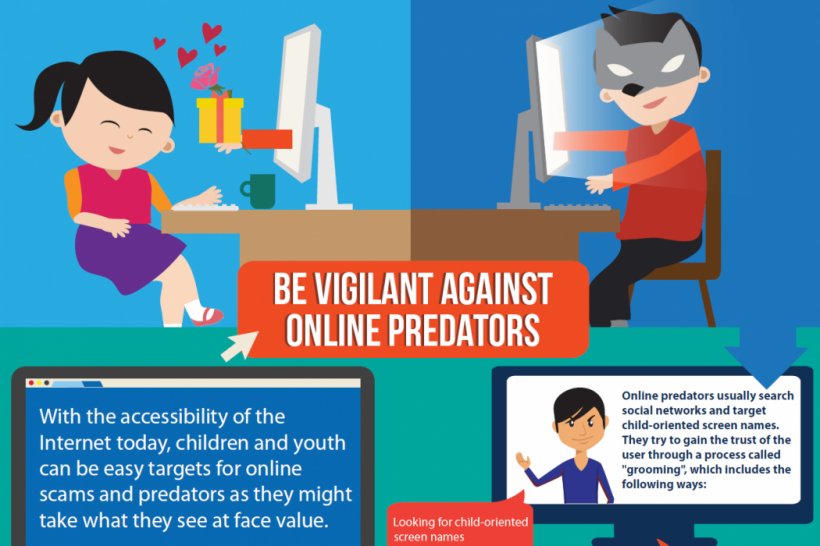
Children are exploring the digital world earlier than ever. Without guidance, they may not recognize risks such as:
- Sharing personal information
- Talking to strangers online
- Clicking unsafe links
- Experiencing cyberbullying
By teaching safety early, we help children:
- Build good digital habits
- Think critically
- Stay confident and protected online
Tips for Parents & Teachers
- Keep conversations simple and regular
- Use real-life examples
- Encourage kids to ask questions
- Combine learning with activities (worksheets & games)
- Always remind children to “Stop, Think, and Tell”
Start Exploring
This toolkit is a growing resource. You can start with any section below:
Helping kids stay safe online doesn’t have to be complicated. With the right tools, learning becomes natural—and even fun.
Explore, learn, and stay safe online.
Developmental Milestone & Activity Table
| Development Stage | Recommended Daily Duration | Primary Learning Objective |
|---|---|---|
| Preschool & Pre-K | 10 – 15 Minutes | Pencil grip development & basic pre-stroke lines |
| Kindergarten | 15 – 20 Minutes | Letter/number formation & spatial line awareness |
| Early Elementary (Grade 1–2) | 20 – 30 Minutes | Fluency, sentence construction & neatness |